Design3 min read
Web Design Trends for 2021
Published by Samsiani
Each year, we expect web design to bring an entirely new style: something futuristic and technology-driven that makes previously unseen websites possible. The predictions for 2021, however, pointed in a different direction.
The trends appeared to focus on making things easier for visitors, helping them find and understand information on a website. That is a sensible starting point.
Several approaches nevertheless stood out as particularly relevant to website creation that year.
Five web design trends that emerged in 2021
- Parallax animation
- Neumorphism
- Abstract compositions
- Comfortable colours
- Scroll-based transformations
1. Parallax animation
Animated website elements had been evolving for years. One prominent trend in 2021 was animation that connected multiple objects into a unified scene.
Parallax creates an optical illusion. A large background, a sense of depth and carefully coordinated movement turn the screen into a scene, producing a more playful result than static images and banners.
2. Neumorphism
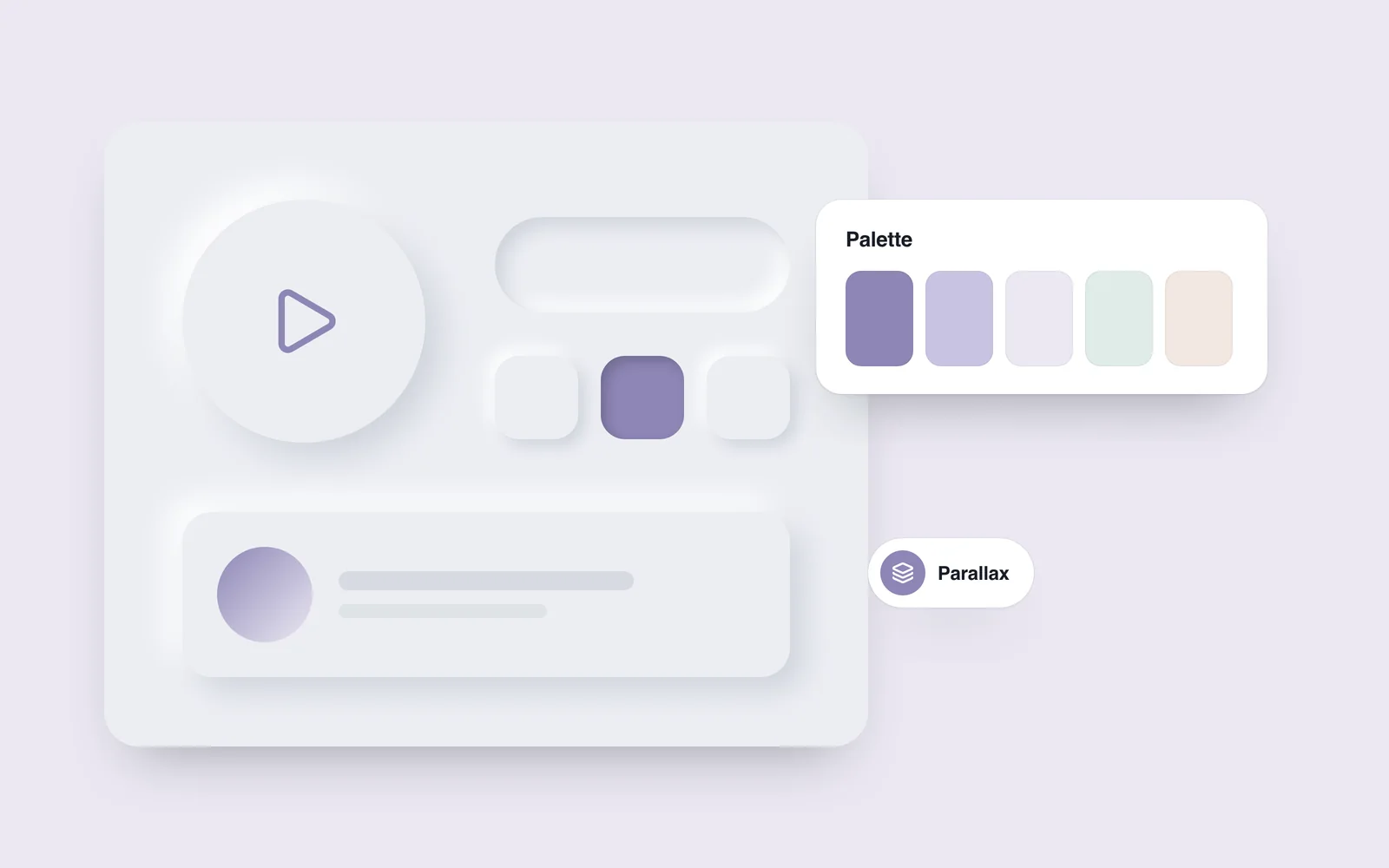
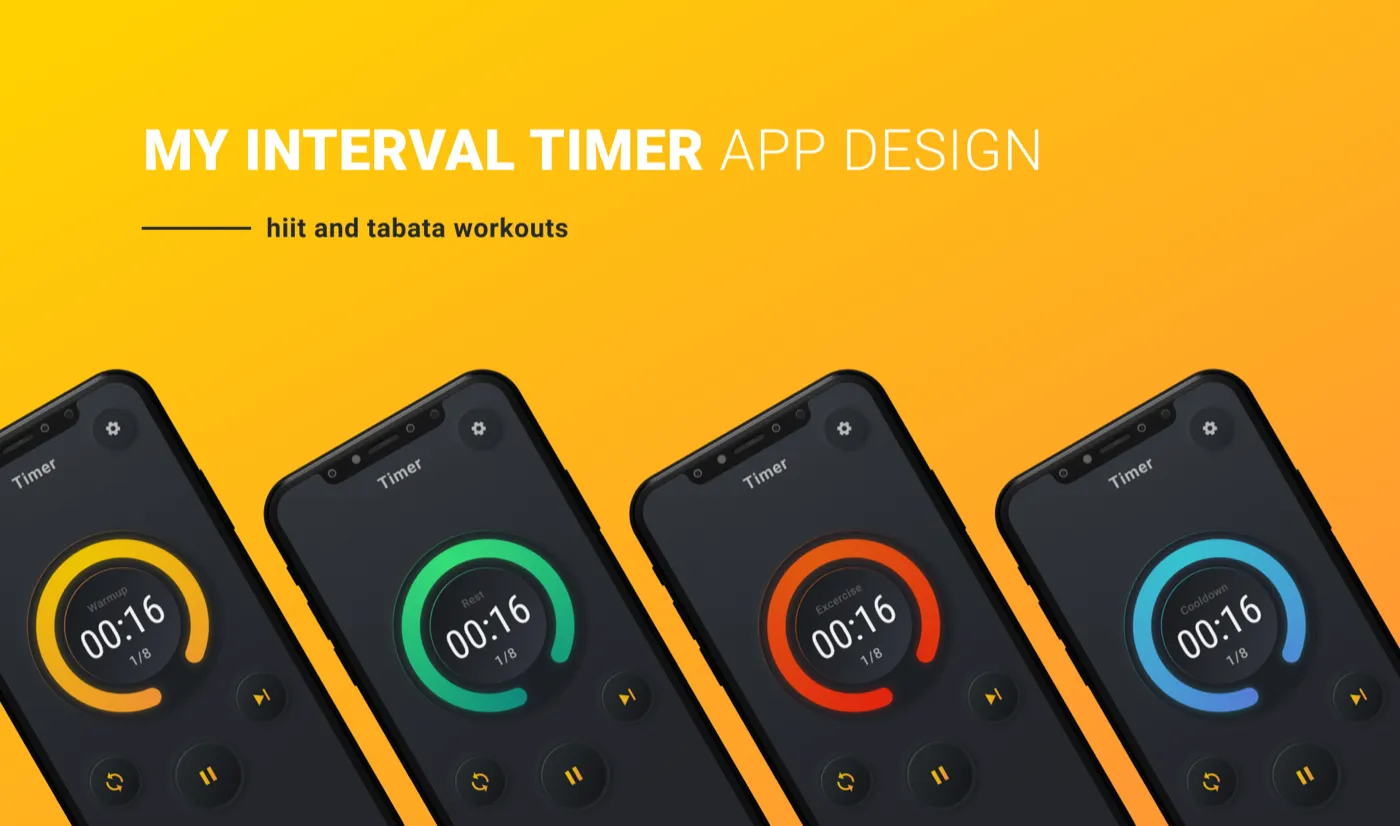
This approach had become popular in previous years and was expected to grow further in 2021. A successor to skeuomorphism, it combines representations of familiar materials with a more contemporary visual style.
Skeuomorphism flourished in the early 2010s, when it appeared in many applications. Flat design largely replaced it with simpler visuals. Colours could be less realistic, but objects became more consistent and recognisable.
Neumorphism combines elements of both approaches, using shadows and softly rounded or semi-flat surfaces to suggest depth.
You can recognise the style in buttons, panels and other geometric elements.
3. Abstract compositions
In 2021, designers combined abstract forms, particularly simple shapes such as circles, rectangles and lines, into complex compositions.
This approach offers considerable freedom, allowing designers to follow their own judgement and taste.
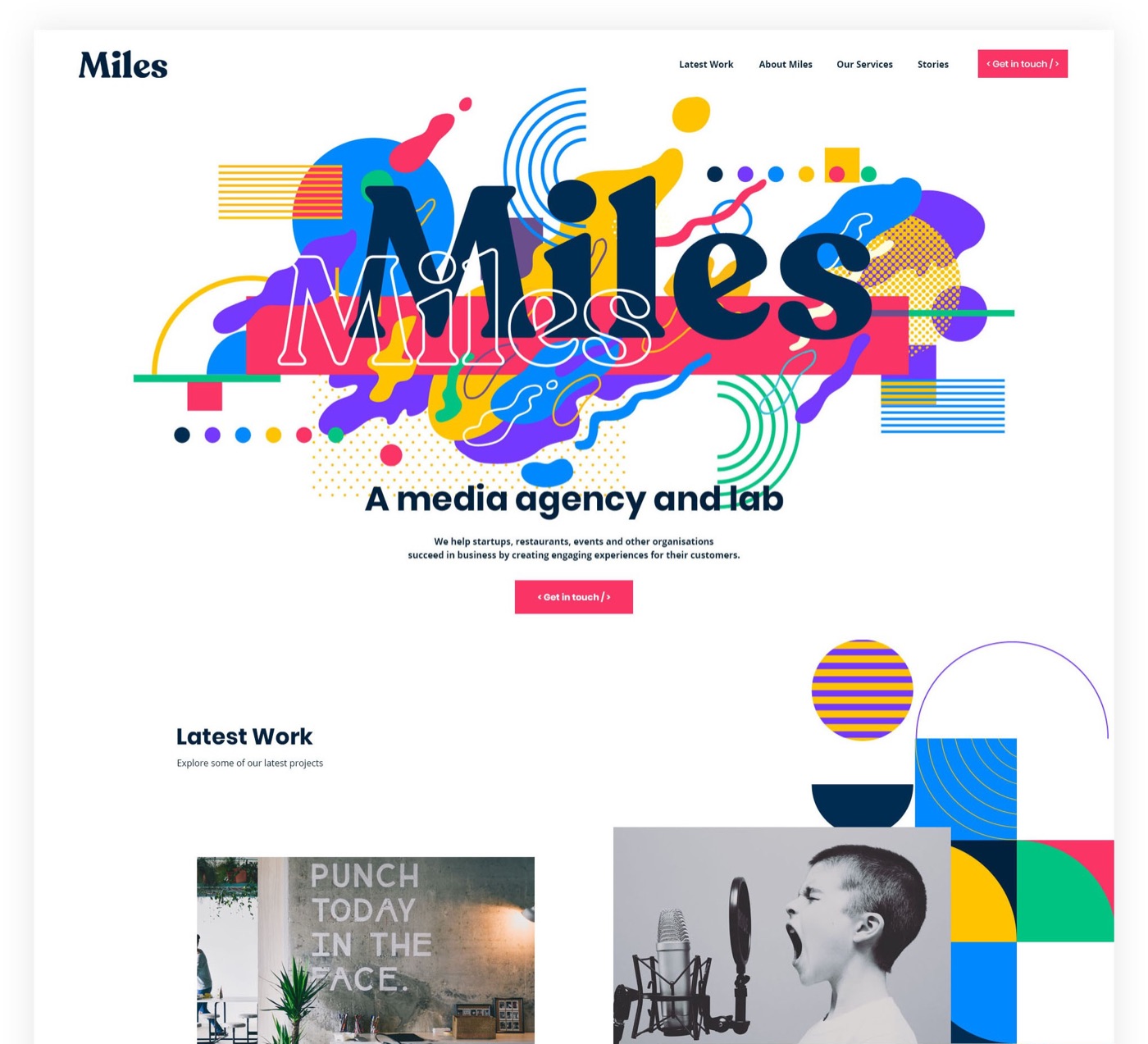
Abstract forms often occupy a website's most visible areas: a slider, a large image or an expansive open space.
Well-chosen abstract compositions add energy and character. They can give visitors a sense of familiarity even when they are seeing the website for the first time.
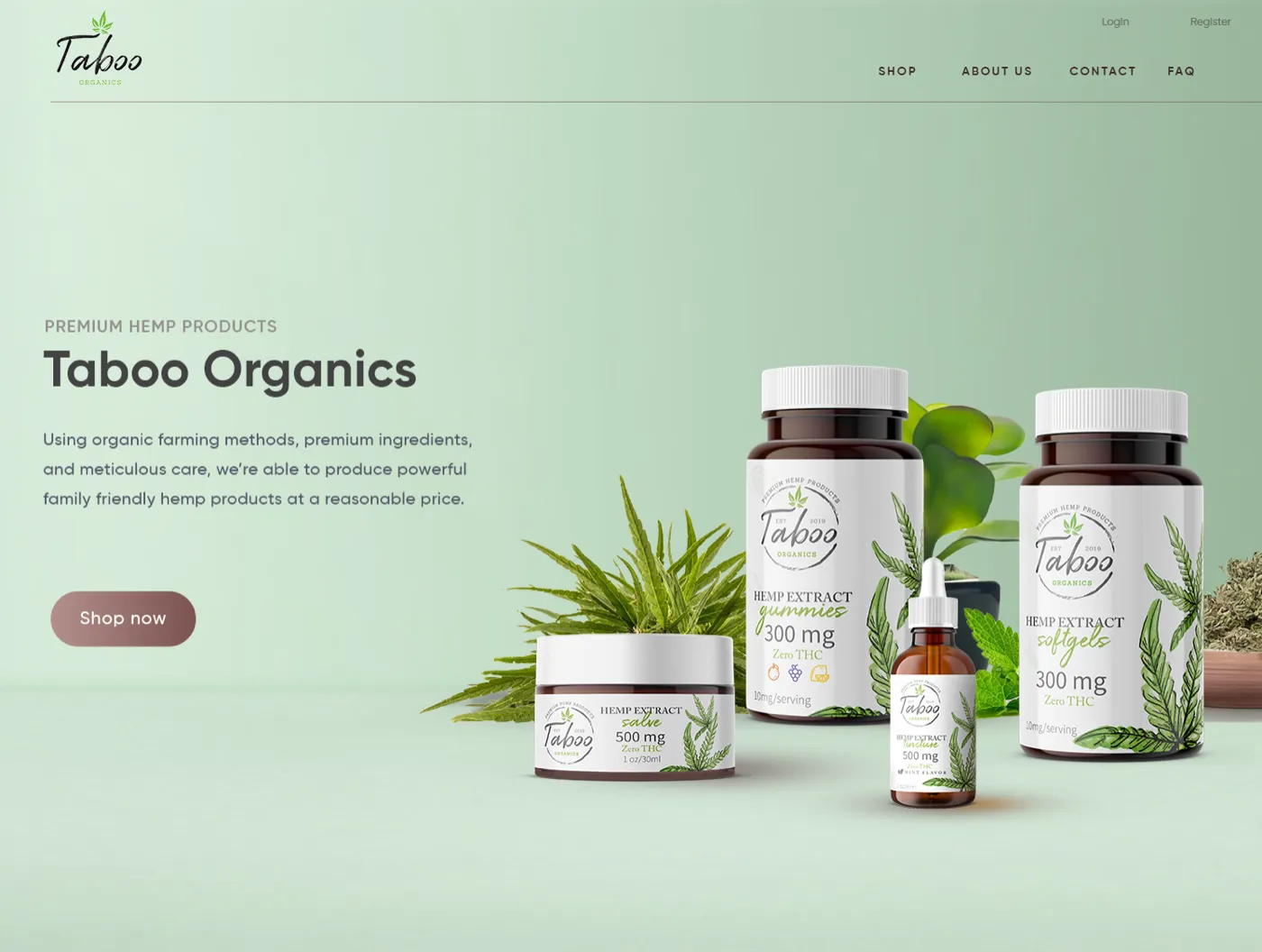
4. Comfortable colours
As daily life becomes more digital, people spend longer looking at screens, which can contribute to eye strain and stress. Choosing comfortable colours was therefore an important trend and challenge in web design for 2021.
Designers sought palettes that were visually appealing while making the experience less tiring for visitors.
5. Scroll-based transformations
In 2021, scrolling could offer more than simple navigation. One design trend involved transforming the page as visitors moved through it.
Visual effects and interactions could draw on experiences familiar from the physical world.
For example, a click might make an object or part of the screen react, while content changed shape in an unexpected way to create a visual response.
Interaction is a form of participation. When visitors take part in what happens on a website, their engagement and interest can grow.
For examples of scroll-based transformations, see designer Vilius Vaicius's Dribbble page.
Scroll-based transformation is a refined way to respond to users. In 2021, designers used it for feedback ranging from colour changes to complex object animations. The goal was to accompany visitors' actions with an engaging visual response.
Ready for the web design trends of 2021?
These trends were not science fiction. They drew on everyday experiences. A good designer presents such ideas simply and thoughtfully, making time spent on a website comfortable and enjoyable.