Design4 min read
Web Design Trends to Watch in 2022
Published by Samsiani
Web design trends change from year to year. 2021 was, to put it mildly, a busy year. This article looks back at the year and ahead to the developments expected in web design in 2022.
Web development evolves every year. A website's appearance receives increasing attention, while design becomes more focused on users. Websites need to be accessible, easy to navigate and reliable in use.
As people spend more time online, our role as web developers includes making an emotional connection and creating digital products that respond to human needs. A website should tell a story, communicate clearly and help people achieve their goals comfortably. That requires us to keep improving how we work as the digital world changes.
Inclusive design
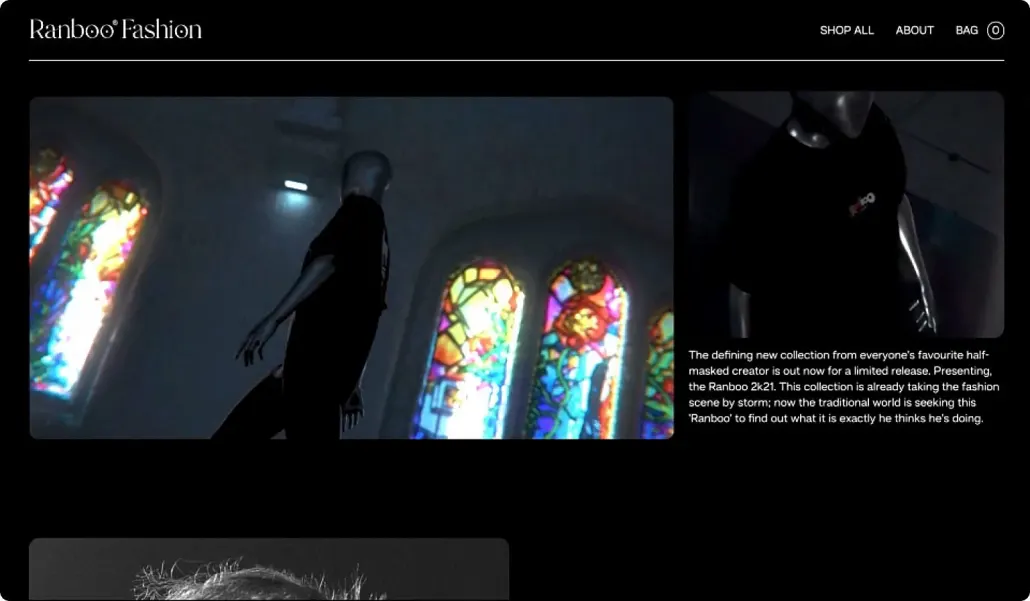
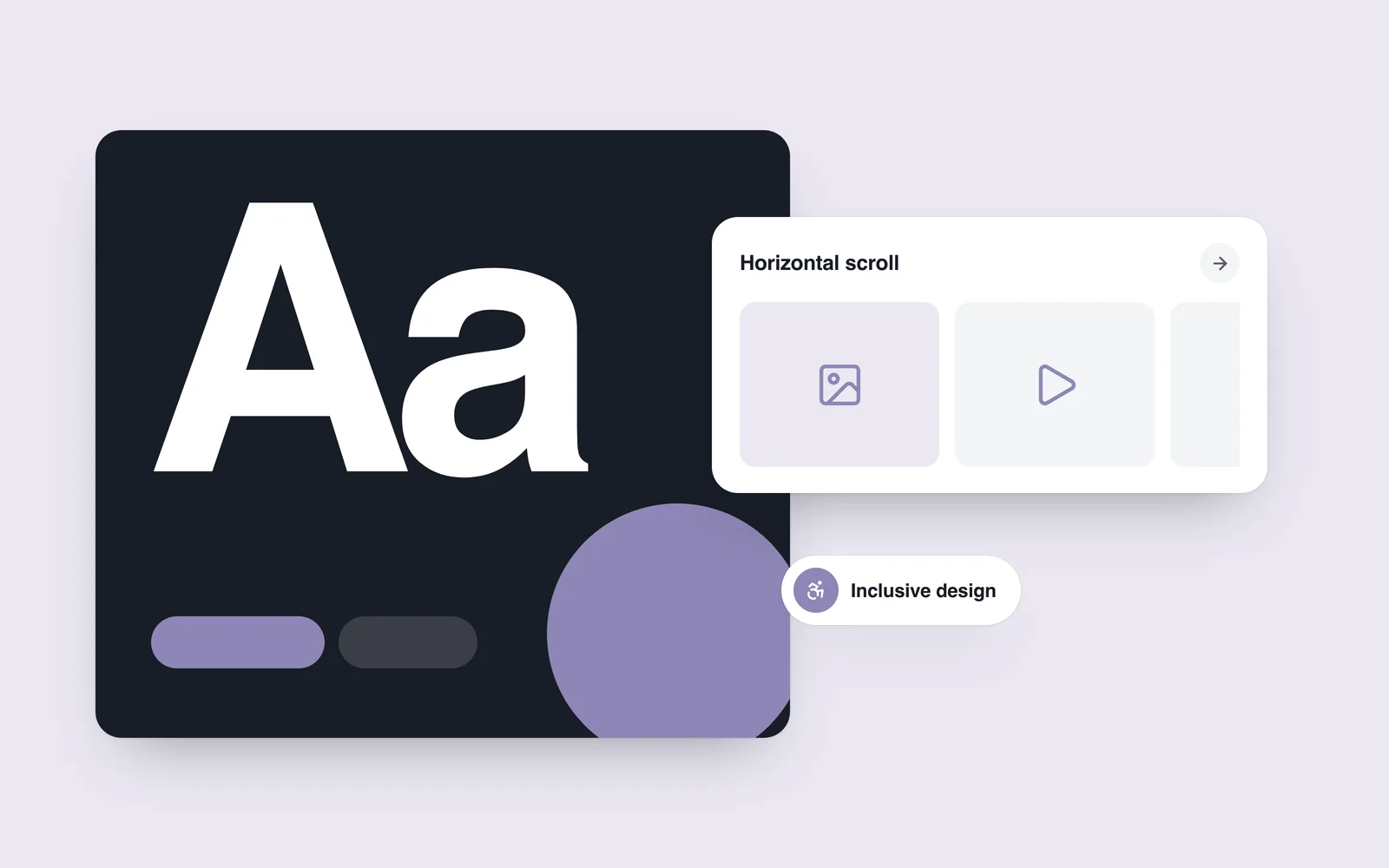
Inclusive design influences every stage of creating a website, from strategic decisions to the way a brand communicates with its audience. It also helps shape a brand's visual language.
For example, purposeful imagery and illustrations are increasingly prominent, offering greater scope for diversity.
The forecast for 2022 included more avatars, illustrations and characters with non-human identities, reflecting the alternative realities the internet can offer.
Scrollytelling
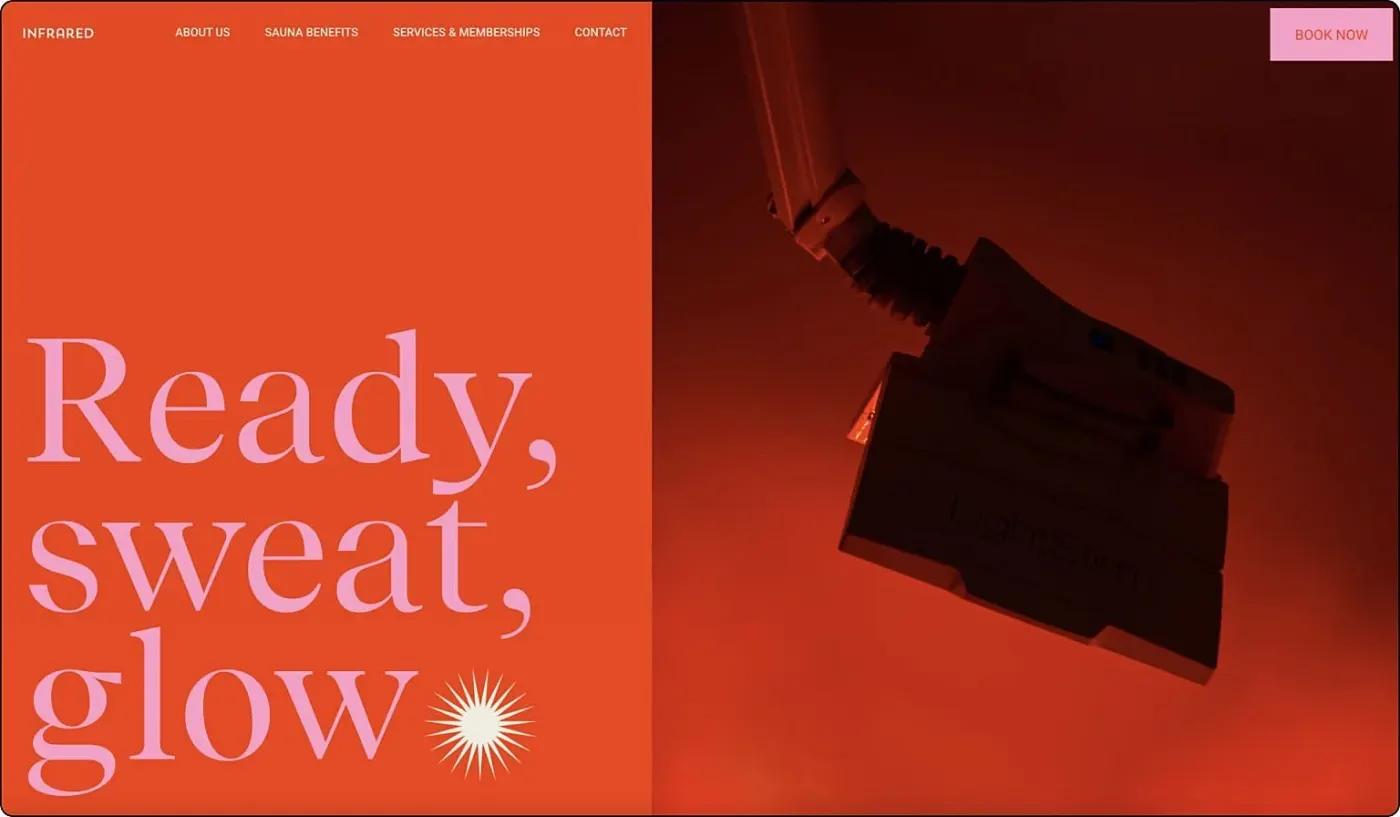
Scrollytelling uses a digital interface to tell complex stories as the visitor scrolls.
Its visual effects aim to capture attention and make the content engaging. Also called narrative visualisation, it uses a sequence of visual elements to communicate a message to visitors.
Like reading a book, navigating the website lets people control the pace at which the content unfolds.
Large close-ups, softly lit images, oversized typography and smooth transitions can create a refined, contemporary atmosphere.
Horizontal navigation
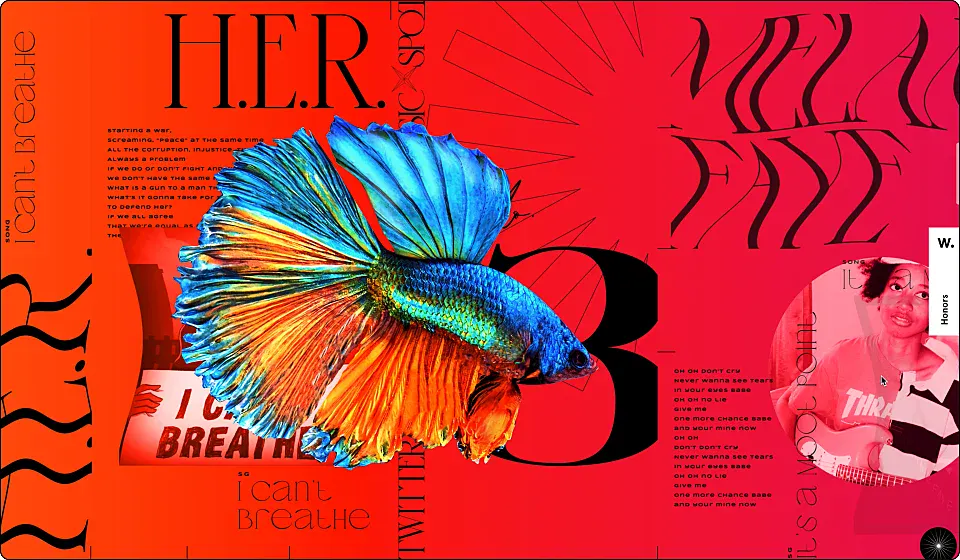
Unlike conventional vertical navigation, horizontal layouts offer different ways for text and images to interact.
This can be particularly effective for portfolios, catalogues, maps and similar websites. Discovering projects, exploring cities or visiting online galleries can become more engaging through horizontal navigation. Used appropriately, it makes a website distinctive, enjoyable and memorable.
Brutalist typography
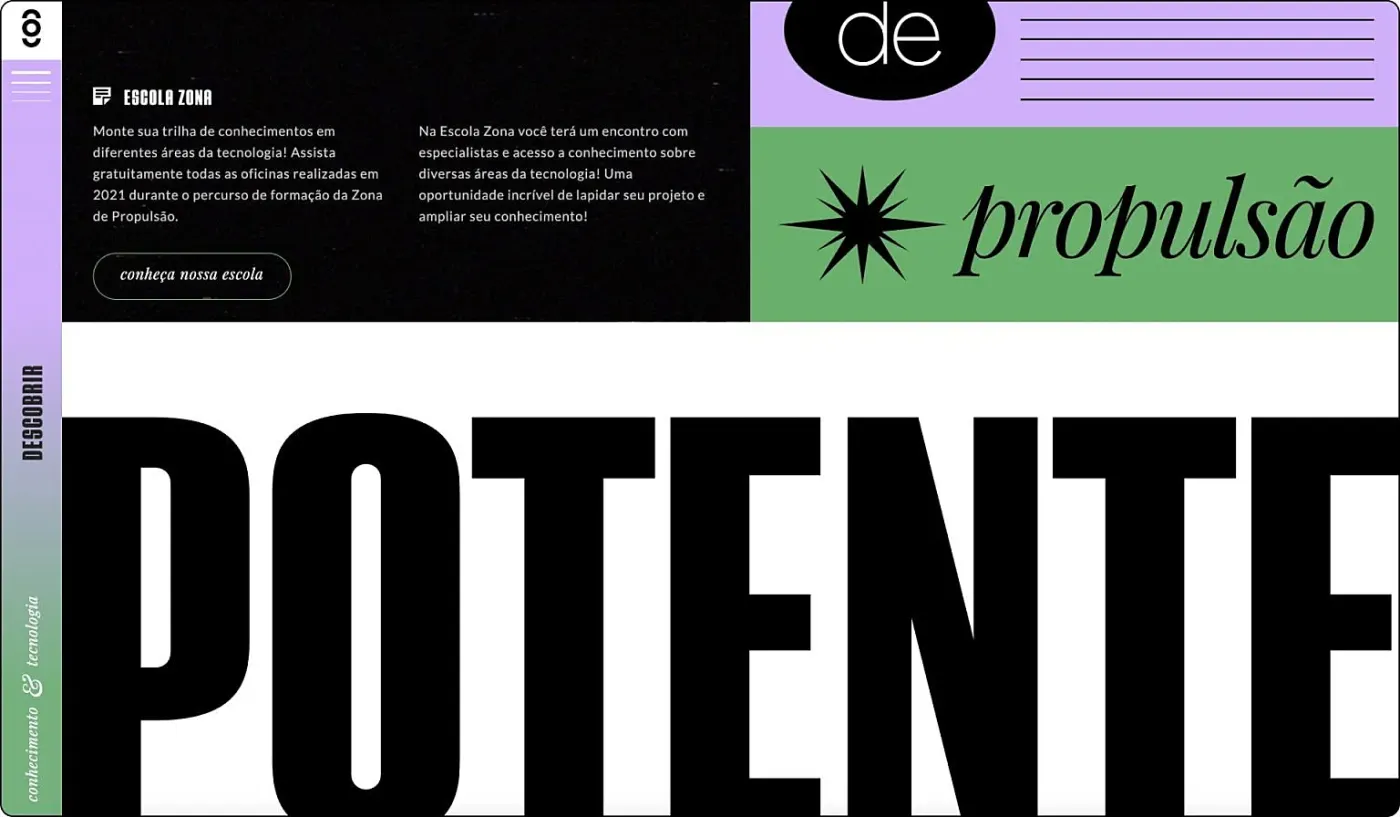
Brutalist typography can be seen as a reaction to the lightness, optimism and minimalism of contemporary web design. Its rough, provocative style deliberately departs from polished conventions.
Letters become building blocks for dynamic grids, sections, headings and paragraphs, or create a sense of deliberate chaos. This approach gives a website an urban character.
Animated or kinetic typography
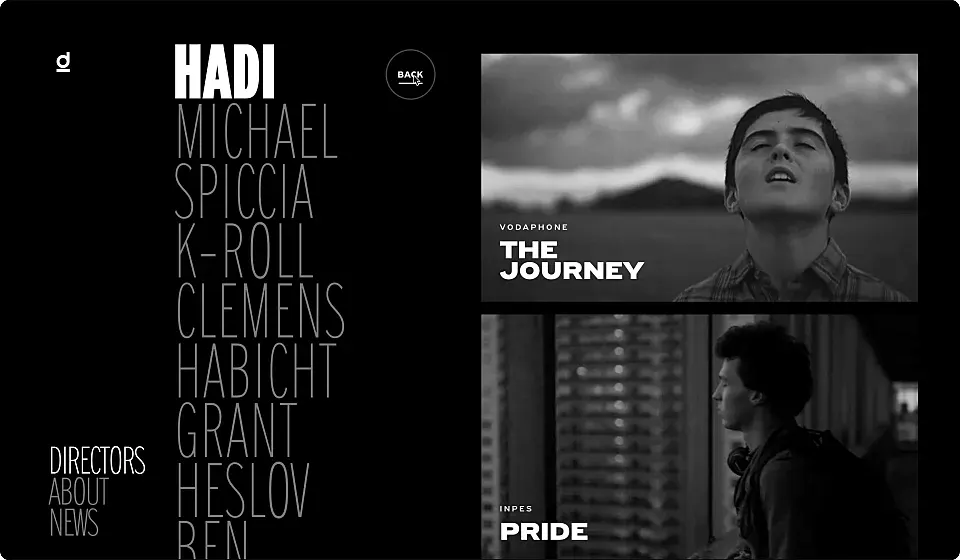
Kinetic typography builds on these trends, evolving quickly into new forms that web designers use widely. Where character animation once carried a story, moving typography offers another expressive tool.
Animated text can attract attention, set a tone, highlight important sections and guide the viewer's eye. The approach dates back to the 1960s, when films began replacing static title cards with animated titles.
Nostalgia
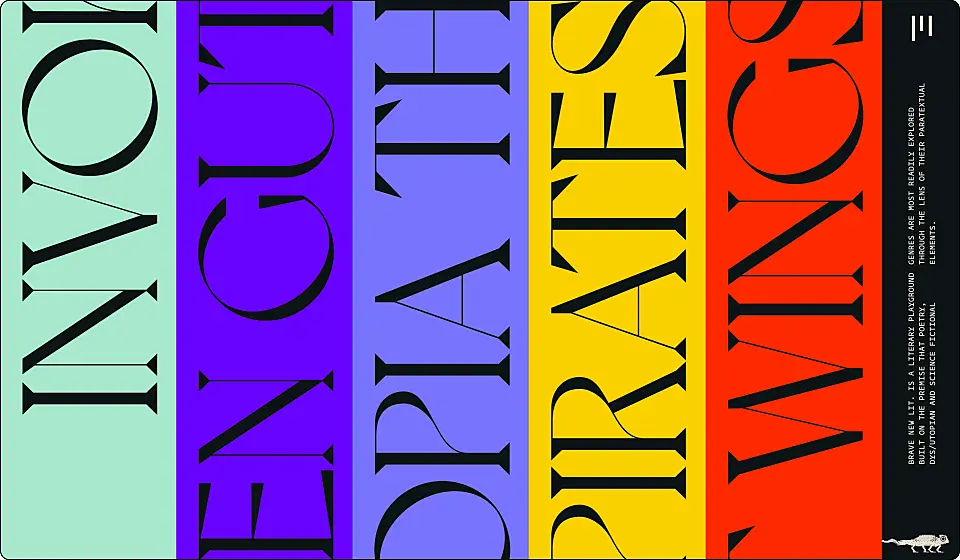
Several trends of the period drew on nostalgia and a desire to revisit the past. Two years into the COVID-19 pandemic, growing uncertainty encouraged people, including web developers, to seek reassurance and escape.
This approach uses slow animations, classic photo filters, retro typefaces, blurred effects, soft lighting and pastel colours.
Contrasting colours
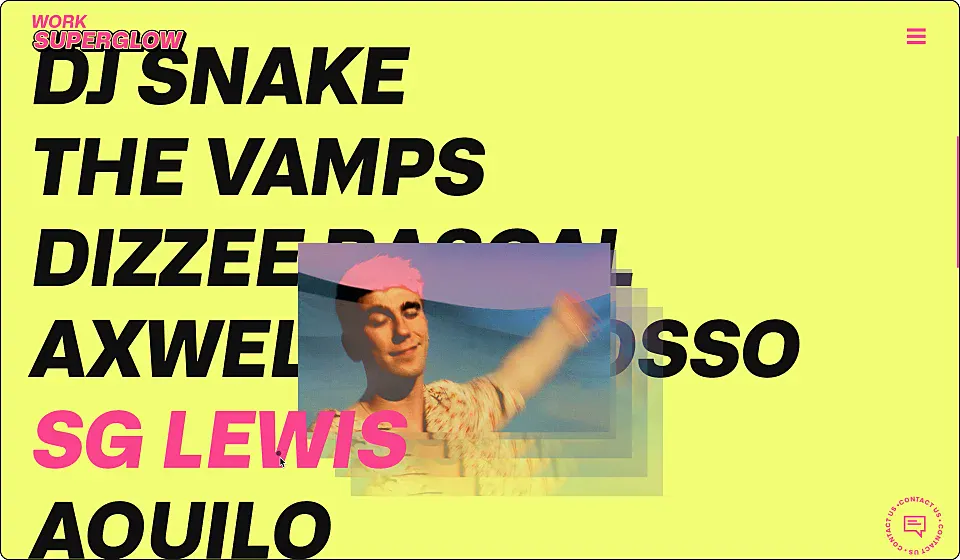
This trend speaks to millennials and people who grew up in the 1980s and 1990s. A website with neon accents is hard to overlook. Colour becomes the main tool for focusing attention and evoking emotion.
Aimed at a particular audience, this energetic style combines acid-bright shapes and colours, neon against dark backgrounds, strong contrasts and gradients.
Asymmetry
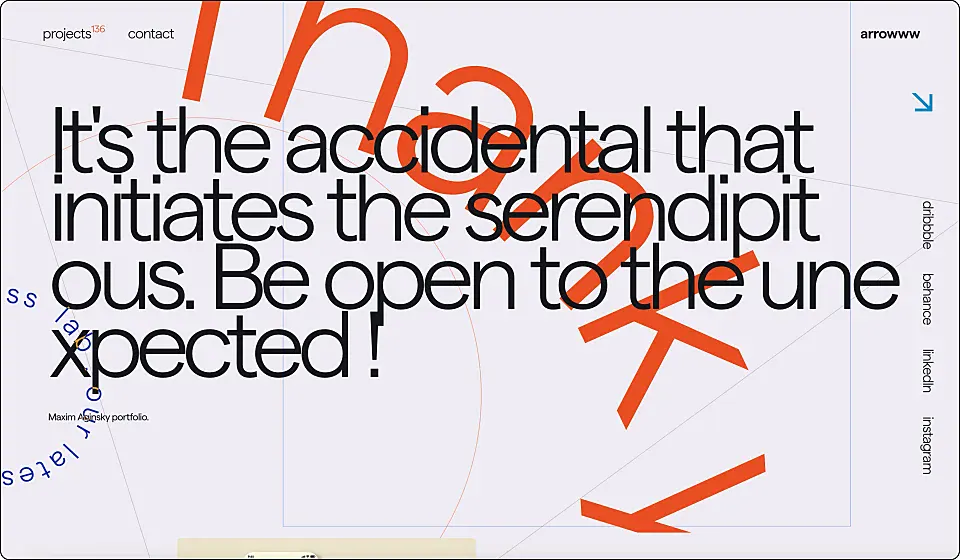
A grid is one of a designer's most important tools, giving work shape and structure. Moving selected elements off-centre can make a website stand out and remain memorable.
Breaking out of the grid is nothing new. Increasingly, however, designers have tools to realise their ideas without an intermediary such as a developer, making even bold and unusual layouts easier to implement.
Layered photography
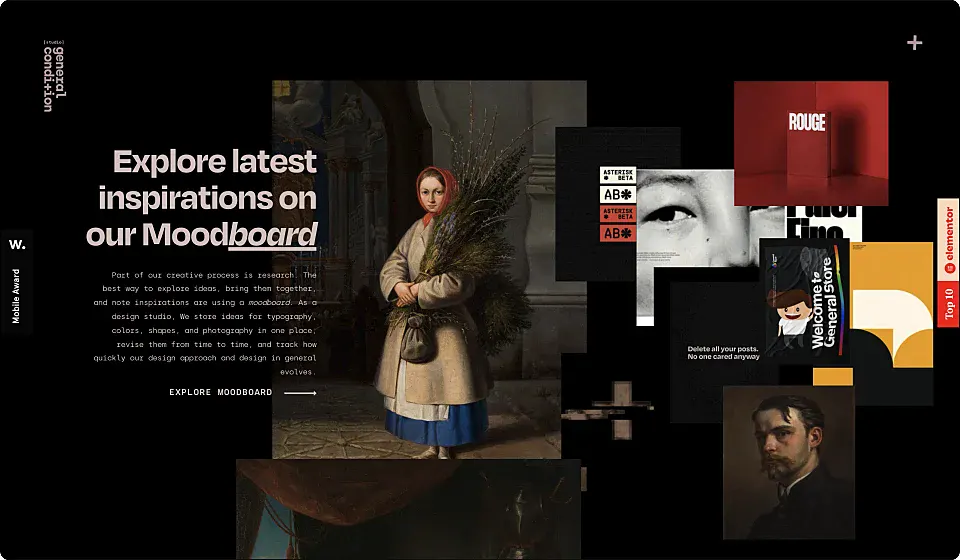
In the preceding years, design had focused heavily on clean, pixel-perfect minimalism. Many designers consequently avoided more visually complex compositions.
Layered imagery combines components such as photo galleries and typography to attract attention, create a striking composition and tell the website's story. It encourages people to spend time exploring.
A shared theme across the photographs, elegant animation and a dark background can connect these elements into a coherent page.
Layering also makes it possible to present substantial content within one section or a limited space, such as a mobile screen.
The future of web design is in our hands
The trends discussed here range from brutalist typography to soft palettes, nostalgic references and high contrast. With the metaverse dominating discussion around 2022, web design appeared to be approaching a new phase.
The forecast was that virtual reality and artificial intelligence would become important considerations for web designers. These technologies were already developing in mobile applications, and their wider use on websites seemed a matter of time.
Web design trends can emerge through a chaotic process, like an online version of the Big Bang, with radically different styles and philosophies colliding. What matters is that a changing world calls for renewal. That renewal creates new trends, even when their appearance recalls the past.