SEO2 min read
Page Experience: A New Google SEO Factor
Published by Samsiani
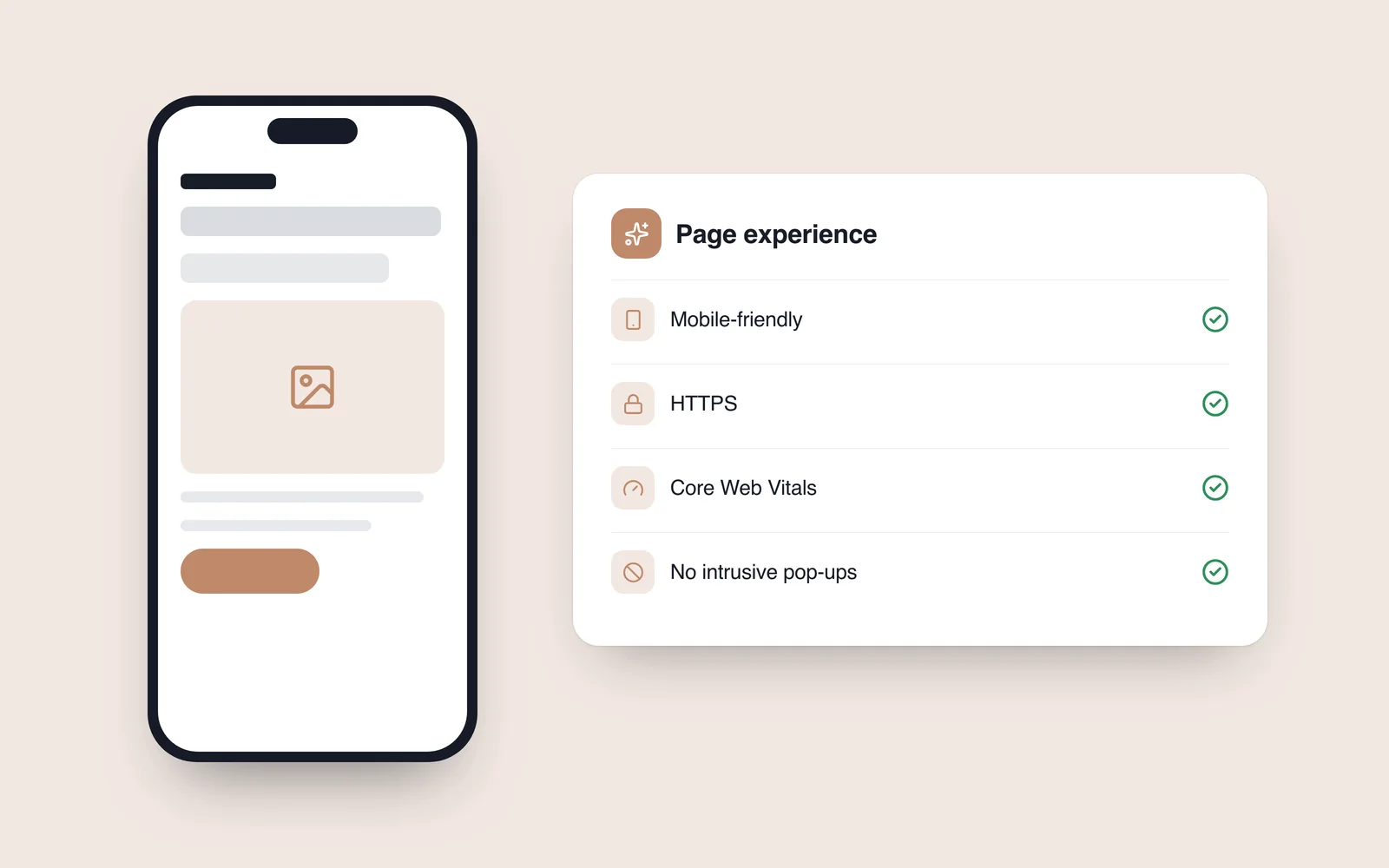
A few weeks before this article was written, Google announced Web Vitals: a set of metrics for measuring page quality and the experience of using a website. It then confirmed that these metrics would form part of an algorithm update, adding a way to assess websites against its proposed standards. The changes were due to begin rolling out in 2021.
Why UX matters in practice
In 2010, Google announced that website speed would affect rankings. In 2018, it focused on mobile page speed. The new announcement brought together further metrics, tools and considerations to assess page quality against a broader standard.
What did that standard mean? Ideally, clicking a search result would load the relevant page instantly. In reality, pages had grown larger over the years, and the popularity of JavaScript had made them more complex. Even fast connections and powerful devices could struggle with a delayed page. For visitors, waiting for a page to load can be stressful — especially when a click opens the wrong content or nothing happens at all.
A high-quality page helps people engage and find what they need. A poor page gets in their way and makes finding information harder. Google
Web Vitals: the beginning
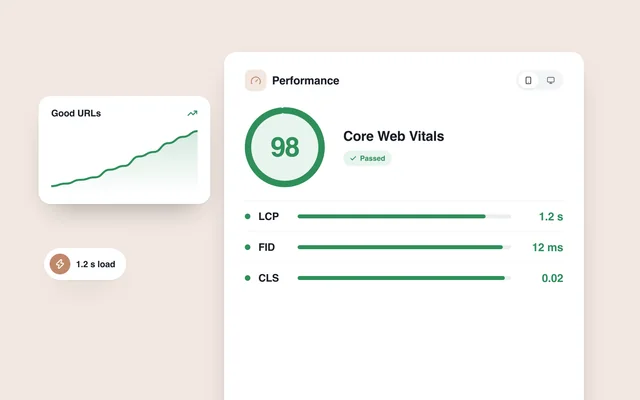
In early May 2020, Google introduced Web Vitals, an initiative to help website owners improve site quality. Within it, a central group of metrics deserved particular attention: Core Web Vitals. Google described these as real-world, user-centred metrics reflecting key aspects of the user experience.
Each Core Web Vital measures a particular aspect of the experience and provides information about page quality. Google made the metrics available through its page-quality measurement tools.
Core Web Vitals were intended to evolve over time. In 2020, Google identified three main areas:
- Loading performance
- Interactivity
- Visual stability
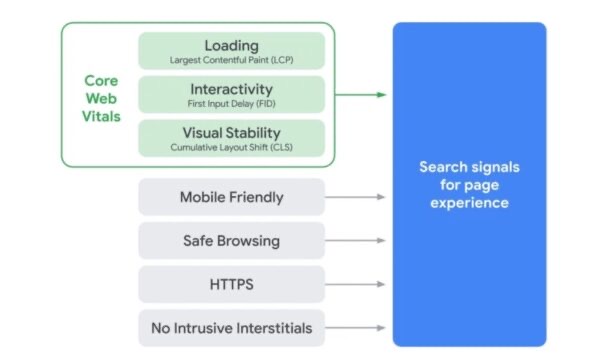
These three areas encompass further details and provide a framework for assessing page quality.
The new standard was planned for 2021
Google has often faced criticism for not communicating enough with SEO professionals and website owners. Major algorithm updates had sometimes arrived without advance notice. This time, the company appeared more open: it planned the changes for 2021 and promised at least six months' notice before they took effect.
See also: