OtherUpdated 2 min read
A social page and an owned website: make them work together
A customer finds a price in an old post, a different one in a recent post and delivery conditions only through a private message. The social page is active, yet finding a dependable answer takes work. An owned website can organise that permanent information.
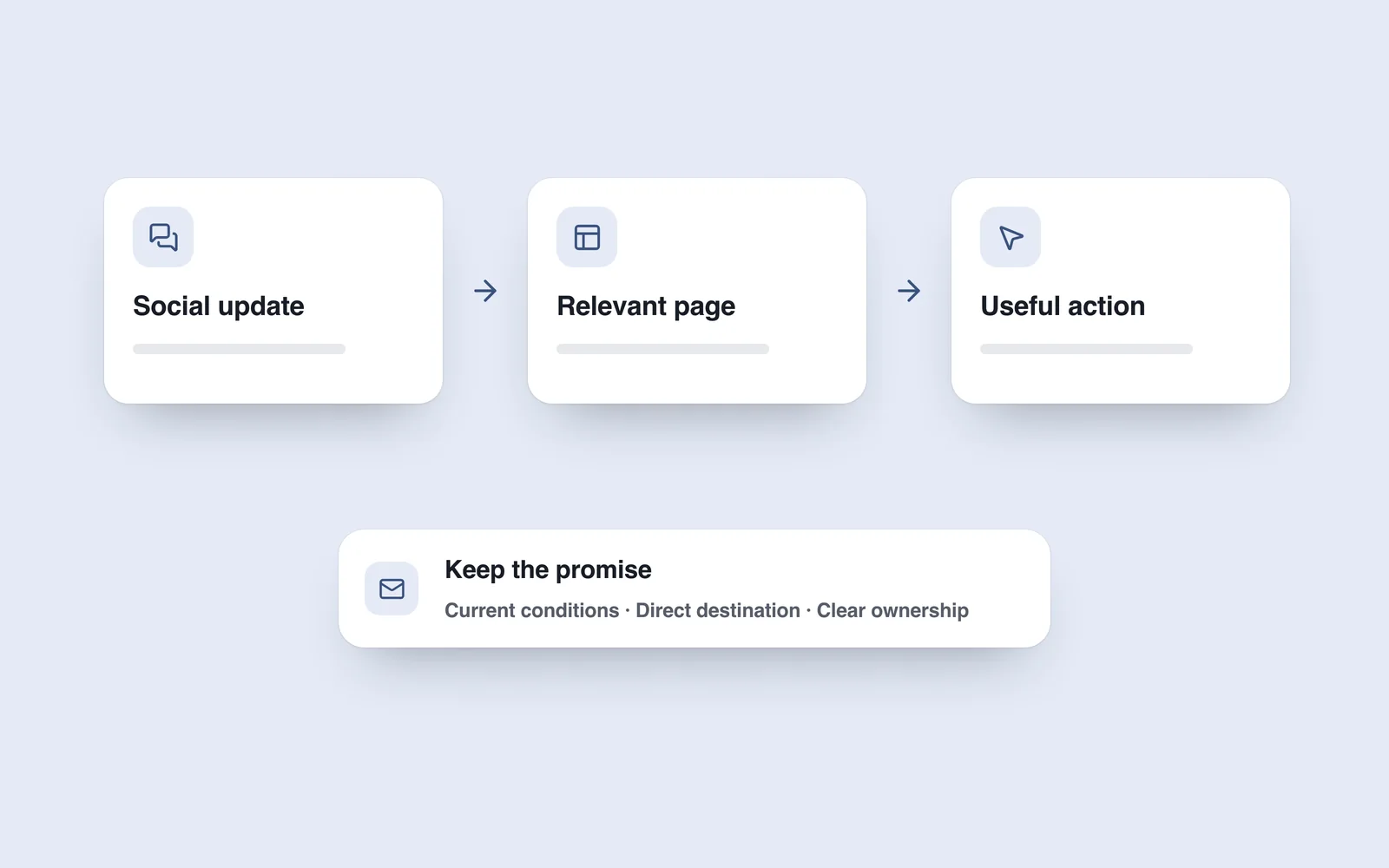
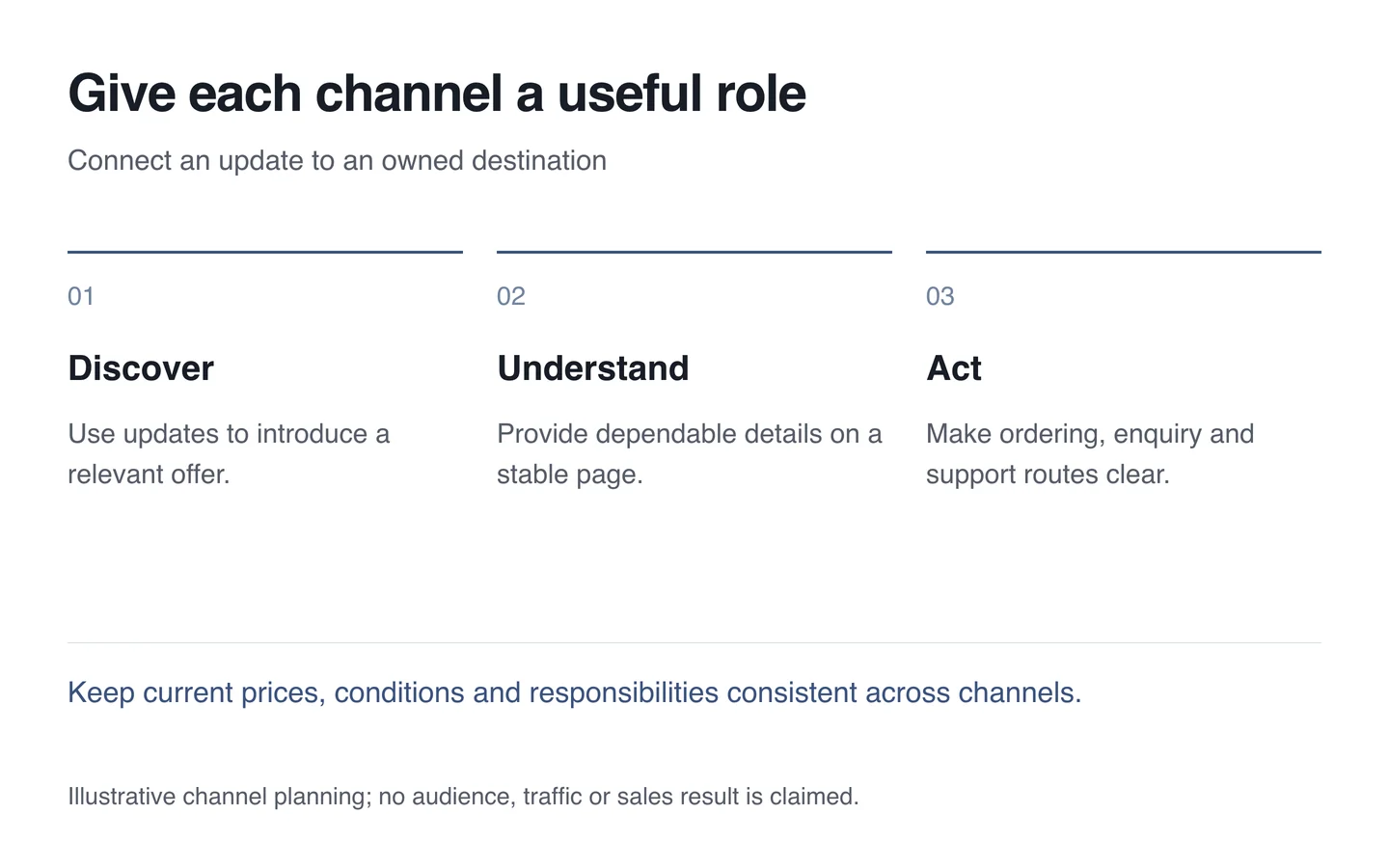
The decision need not be “website or social media”. Give each a role: updates and conversation in one place; a clear catalogue, conditions and next action in the other. Connect them around the customer’s journey.
Give lasting information a lasting address
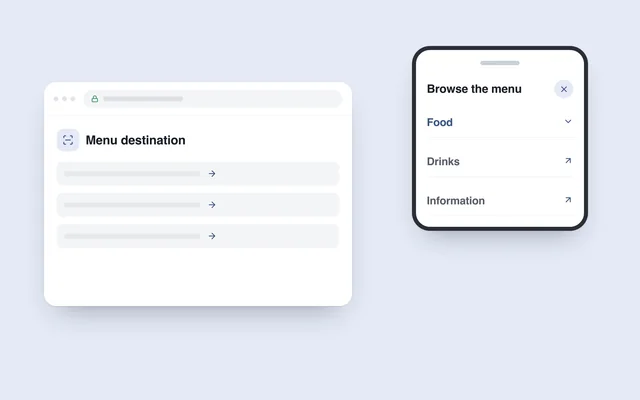
Put service descriptions, useful product details, contact routes and ordering conditions on pages that are easy to share. Link a post to its relevant destination. Sending every link to the homepage makes people search again.
The W3C guidance on stable addresses reminds us that old links remain in many locations. Plan to preserve working addresses after a campaign ends or the site changes. Redirect to relevant content when necessary.

Keep the promise consistent
Prices, opening hours and availability information should agree. Explain time limits and conditions for a temporary offer. When a manually written post becomes outdated quickly, make the route to current information obvious.
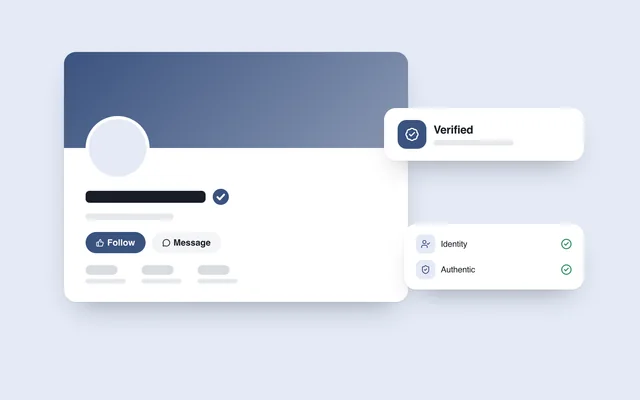
A social account has its own access and operating rules, while the website’s domain and content need separate management. Do not rely on one account for every asset. Review ownership, recovery and team permissions in both places.
Explain where the next step belongs
Where should the customer finish an order and see its state? If discussion began in chat, avoid unnecessary retyping of agreed details in another form. Equally, do not move private correspondence into public comments.
- Open the exact product or service promised by a post.
- Compare current conditions across both locations.
- Follow an enquiry and response using test information.
- Review team access and responsibility.
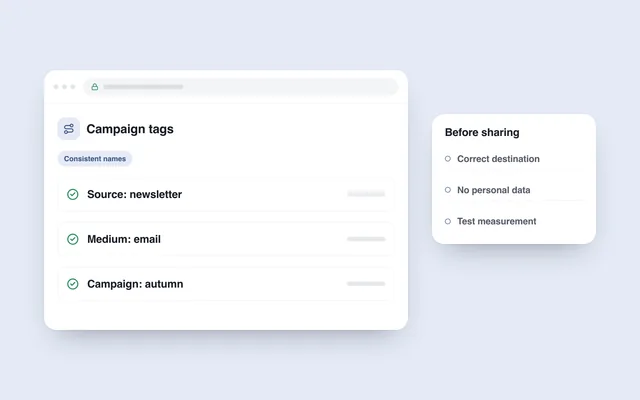
- Measure a referral visit separately from an actual order.
Consider the existing social presence when building a business website. The result should be a connected journey in which an update leads easily to understandable conditions and a useful action.