TipsUpdated 3 min read
Why Website Security Matters in Ecommerce
Published by Samsiani
Ecommerce is growing rapidly, with more businesses moving online. As it grows, website security becomes increasingly important. Effective security protects customer data, builds trust and supports long-term business success. This article explains why website security matters in ecommerce and the steps you can take to improve it.
Protecting customer data
Ecommerce websites collect a wide range of personal and financial information, including payment card details, addresses and phone numbers. Protecting this information is essential. A security vulnerability can expose customer data and cause financial harm.

Privacy: Customers expect their personal information to be stored securely and used only for its intended purpose. A security breach damages that trust and harms the business.
Financial security: Protecting payment card details and other banking information is a priority. A financial data breach can cause serious harm to both customers and the business.
Customer trust and brand reputation
Strong website security helps earn customers' trust. When people are confident that their data is protected, they are more likely to use your website and feel comfortable shopping online.

Maintaining trust: High security standards show customers that the company cares about them and takes their security seriously.
Brand reputation: A security breach can seriously damage a brand's reputation. Negative reviews and comments can then affect sales and customer numbers.
Legal responsibilities and regulations
Many countries have laws and regulations requiring companies to protect customer data. Failing to meet these requirements can lead to legal problems and substantial financial penalties.
GDPR and other regulations: The European General Data Protection Regulation (GDPR) requires companies to protect personal data and implement appropriate security measures. Breaches of the regulation can result in serious fines.
PCI DSS compliance: Ecommerce businesses accepting card payments must meet the applicable requirements of the Payment Card Industry Data Security Standard (PCI DSS). The standard brings together security requirements designed to protect customers' financial information.
Security measures for ecommerce
Several basic steps help keep your website secure:
- SSL certificate: An SSL certificate enables an encrypted connection, protecting information while it is being transmitted. This is an essential part of safeguarding customer data.
- Password management: Use strong, hard-to-guess passwords for admin access and customer accounts, and keep them up to date.
- Firewall and antivirus protection: Use firewalls and antivirus software to help protect your website from malware and cyberattacks.
- Regular updates: Update your platform and modules regularly to apply the latest security patches.
- Regular scanning: Carry out security scans and tests regularly so that you can identify and address potential weaknesses promptly.
Website security is essential in ecommerce. Protecting customer data, maintaining trust and your brand's reputation, and meeting your legal responsibilities are all reasons to make it a business priority. High security standards protect customers and support long-term growth and success.
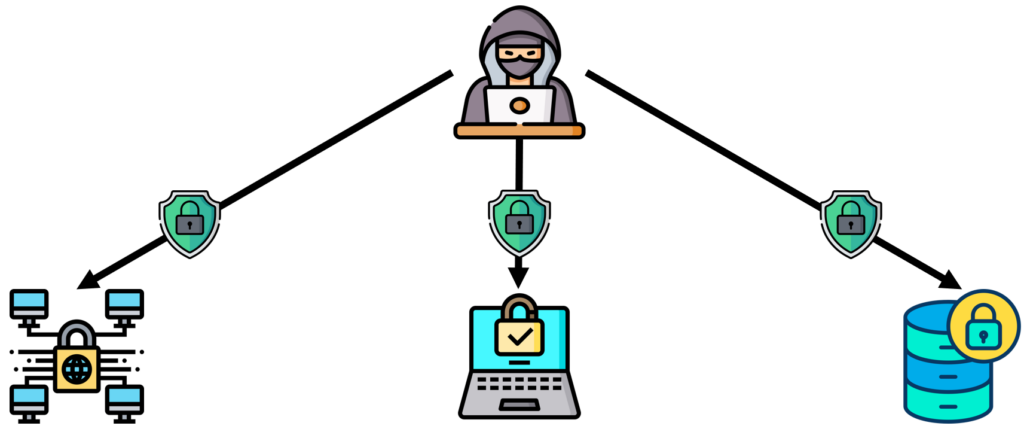
Improving your ecommerce website's security protects customers and their data while building trust and strengthening your brand. Security checks and regular monitoring should therefore be part of everyday website maintenance. Our technical support service can help you plan this work.