SEO2 min read
Optimising Content Before You Publish
Published by Samsiani
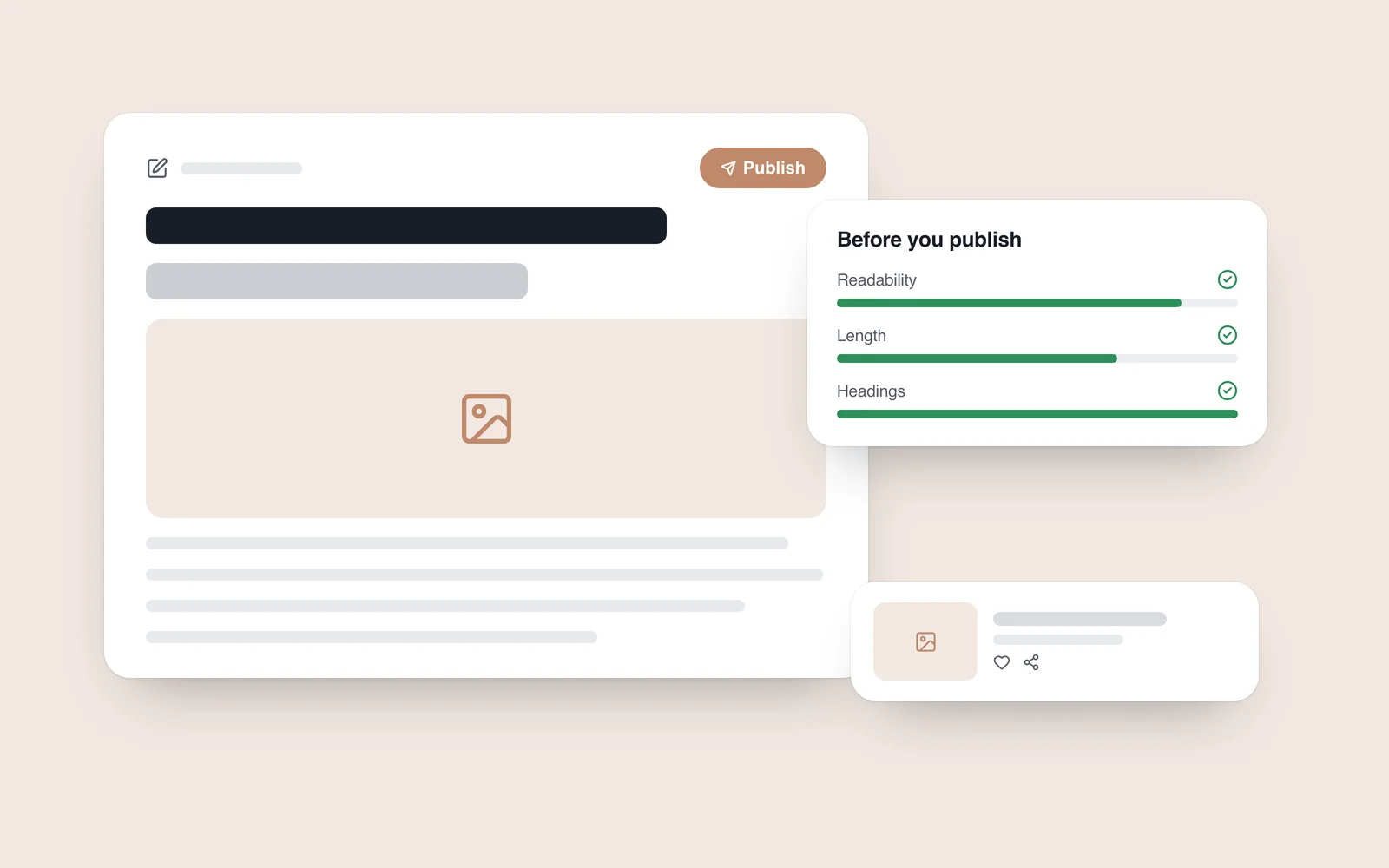
This article briefly explains content optimisation and the steps to take before publishing.
Even content that appears well written may be difficult to discover through search.
Before publishing your work, consider several factors that help search engines understand and discover it.
Here are the main steps to consider when preparing content for search.
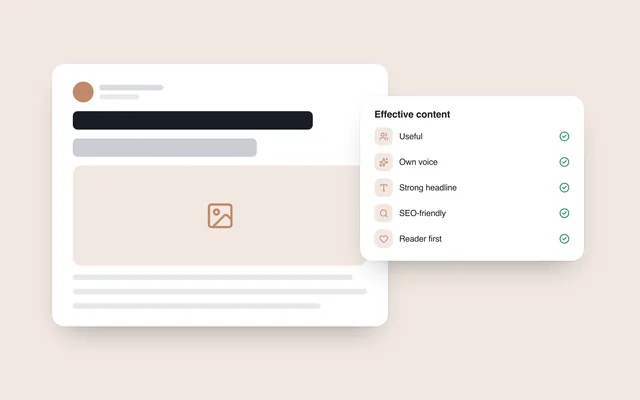
Look at your content through the reader's eyes
Authors sometimes concentrate on fitting in as many keywords, links and other elements as possible. That is a mistake. Write content that people can read comfortably, with a logical structure and meaningful information.
Make your content easy to read
Think about readers first. Alongside useful information, they need readable text. Do not rearrange it unnaturally simply to meet perceived SEO requirements.
- Divide text into appropriate paragraphs.
- Avoid very long, uninterrupted sentences.
- Do not repeat the same keyword excessively; vary your language.
- Use media such as photographs and videos.
- Use H1, H2 and H3 headings to establish a clear structure.
- Include relevant internal and external links.
Consider length and readability
Content should be an appropriate length for its purpose. Neither an excessively short treatment nor an unnecessarily long one serves readers well. Finding that balance is part of optimisation.
The original article offered the following suggested ranges for different types of content:
- Entertainment blog posts: 1,500–2,000 words
- Short blog posts: 700–900 words
- Informational posts: 100–1,500 words
- Descriptions and reviews: 200–2,500 words
These ranges are approximate guidance, rather than fixed requirements. The right length depends on the content and the reader's needs.
Include social media elements
Social media is a major source of information, whether links, photographs or videos. Consider relevant social elements in your content, including links to your profiles and to useful articles, images or videos.
Finally…
Follow relevant publications and platforms, and subscribe to their updates. Search algorithms change, and optimisation practices evolve with them.
Stay informed about technical considerations affecting keywords, media files and other content elements.