TechnologyUpdated 2 min read
GPT-4's March 2023 Launch: Expectations and What OpenAI Released
Published by Samsiani
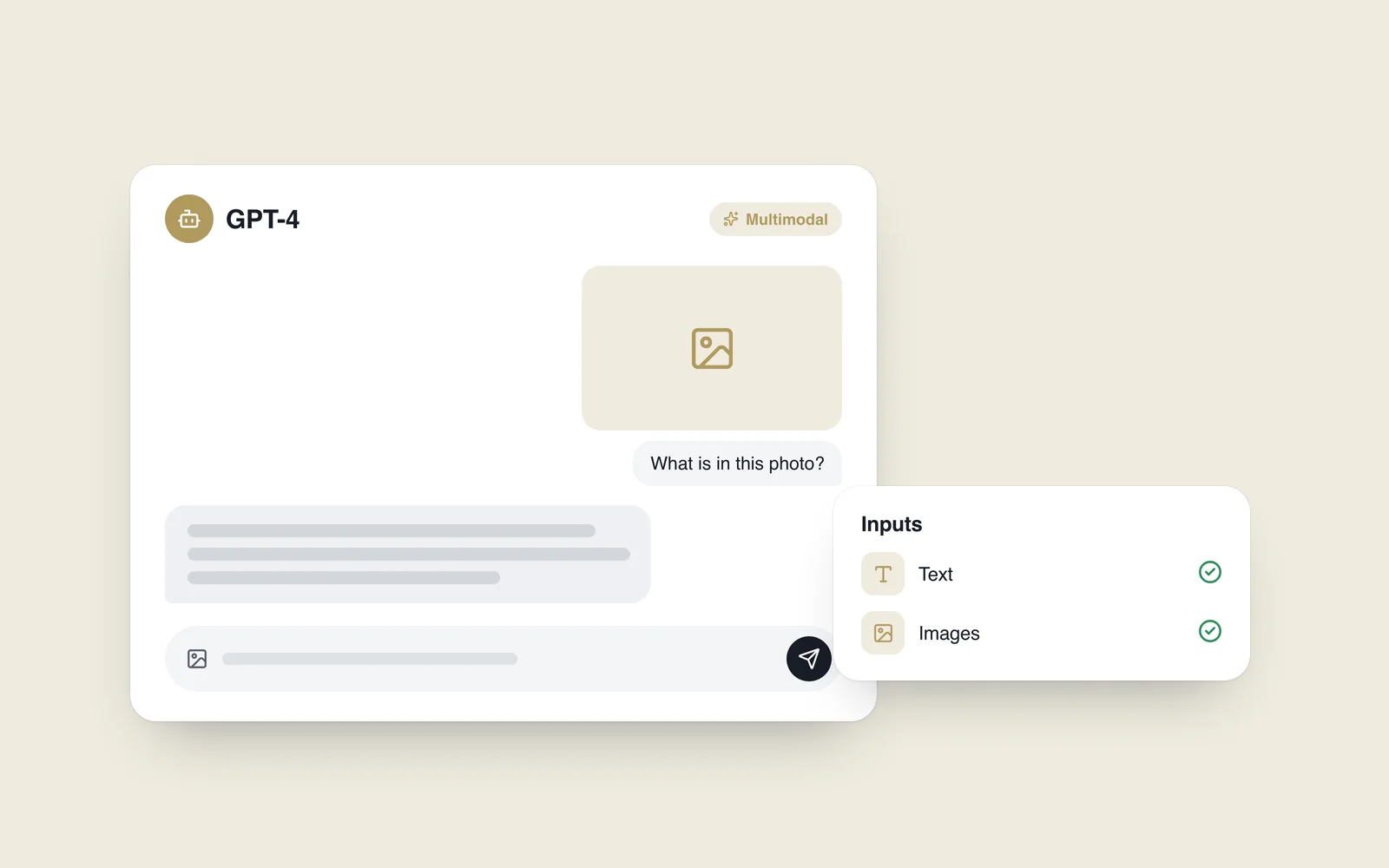
Archive clarification — 17 October 2026: This article was published on 12 March 2023, before GPT-4's official announcement, and reflects expectations at the time. OpenAI introduced GPT-4 on 14 March 2023: the model could accept text and images and produce text responses. Text input became available to users at launch; image processing was initially shown as a research demonstration. The audio and video capabilities mentioned below were speculation before launch and should not be read as confirmed features of the released GPT-4.
Expectations before the release
Andreas Braun, CTO of Microsoft Germany, said that GPT-4 would be released the following week and would be multimodal. Multimodal AI can work with different types of information, such as video, images and sound, as inputs or outputs.
Multimodal language models
The most significant part of the announcement was that GPT-4 would be multimodal. Search Engine Journal had predicted this as early as January 2023.
A modality is a type of input that, in this case, a large language model can work with.
Multimodal capabilities can involve text, speech, images and video.
GPT-3 and GPT-3.5 worked with a single modality: text.
German media reports suggested that GPT-4 would work with at least four modalities: images, audio, text and video.
‘Next week we will introduce GPT-4. These will be multimodal models that offer entirely different possibilities — video, for example…’
Dr Andreas Braun, CTO, Microsoft Germany
The report did not provide GPT-4 specifications, so it was unclear whether the comments about multimodality referred specifically to GPT-4 or to the technology more generally.
Microsoft's director of business strategy, Holger Kenn, explained the concept of multimodality. Again, the report left it unclear whether he was discussing GPT-4 specifically or the broader technology.
‘Kenn explained what multimodal artificial intelligence is: AI that can turn text not just into images, but also into music and video.’
The news report
Where GPT-4 might be used
At the time of writing, there was no precise information about where GPT-4 would appear, although Azure OpenAI was mentioned in general terms.
Google, Microsoft's main competitor, was working to integrate the technology into its search engine. The situation created an impression that Google was falling behind in the race and losing its position as an AI leader.
Google already used artificial intelligence in products such as Google Lens and Google Maps. That approach treated AI as an enabling technology to help people with everyday tasks.
Microsoft's moves were more visible and consequently attracted more attention.